How to prioritize tasks effectively is an important topic that many people search for. In this comprehensive guide, we will explore everything you need to know about how to prioritize tasks effectively, backed by expert insights and practical strategies.
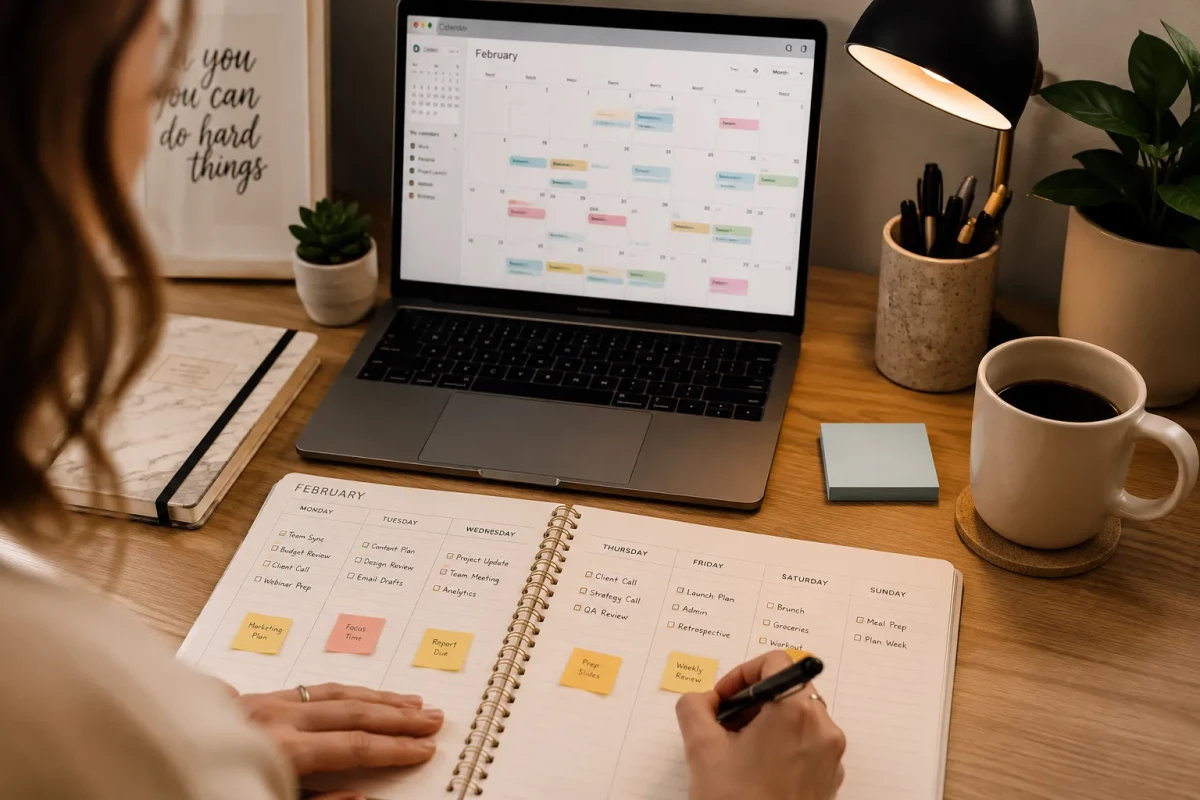
Featured Image: How to manage time better – person planning schedule with calendar and task list
Table of Contents
Time management is the foundation of productivity and work-life balance. In the Work Scenes category, effective time management separates high performers from the rest. This guide covers the most effective time management techniques backed by research.
Audit Your Time: Where Does It Actually Go?
Before improving time management, track how you spend your time for one full week.
Use a simple spreadsheet or app like Toggl or Clockify. Most people are surprised to discover:
- 2-3 hours per day on email and messaging
- 1-2 hours on social media and news
- 30-60 minutes in unproductive meetings
This data reveals your biggest time leaks and shows where to focus your improvement efforts.
The Eisenhower Matrix: Prioritize What Matters
Divide tasks into four quadrants based on urgency and importance:
- Quadrant 1 (Urgent + Important) – Crises, deadlines. Handle immediately but try to prevent these.
- Quadrant 2 (Not Urgent + Important) – Planning, learning, exercise. Spend most time here.
- Quadrant 3 (Urgent + Not Important) – Interruptions, some emails. Delegate or minimize.
- Quadrant 4 (Not Urgent + Not Important) – Time wasters. Eliminate.
The key insight: Quadrant 2 activities prevent future crises and drive long-term success, but they are the easiest to neglect.
Time Blocking: Schedule Your Day Intentionally
Instead of working from a to-do list, assign specific time blocks to tasks on your calendar.
Sample time-blocked day:
- 8:00-10:00 – Deep work (most important project)
- 10:00-10:30 – Email and messages
- 10:30-12:00 – Deep work (second project)
- 12:00-1:00 – Lunch break
- 1:00-2:00 – Meetings
- 2:00-3:30 – Deep work
- 3:30-4:00 – Admin tasks
- 4:00-5:00 – Planning tomorrow
Treat these blocks as non-negotiable appointments with yourself.
The Pomodoro Technique for Focused Work
Work in 25-minute focused intervals followed by 5-minute breaks. After four pomodoros, take a longer 15-30 minute break.
Why it works:
- Makes large tasks feel manageable
- Builds momentum through short, intense focus sessions
- Prevents burnout with regular breaks
- Creates a sense of progress with each completed pomodoro
Apps like Focus Keeper, Be Focused, or a simple kitchen timer work perfectly.
Batch Similar Tasks Together
Group similar tasks and handle them in dedicated batches.
- Process all emails at once (2-3 times per day)
- Make all phone calls in one block
- Do all errands in a single trip
- Handle all administrative tasks in one session
Research shows that context switching between different types of tasks costs up to 40% of your productive time. Batching eliminates this hidden time tax.
Learn to Say No Effectively
Every “yes” to a non-priority task is a “no” to something important.
Polite refusal templates:
- “I appreciate the opportunity, but I need to focus on my current commitments.”
- “That sounds interesting, but it doesn’t align with my priorities right now.”
- “I can’t take this on, but I can recommend someone who might help.”
Protecting your time is not selfish – it is essential for delivering quality work on your existing commitments.
Frequently Asked Questions
What is the single most effective time management technique?
Time blocking is widely considered the most effective technique because it transforms abstract to-do lists into concrete calendar appointments. Combined with the Eisenhower Matrix for prioritization, it addresses both what to do and when to do it.
How do I handle constant interruptions at work?
Set specific “office hours” when colleagues can approach you, use noise-cancelling headphones as a visual signal for focus time, batch-check email instead of responding instantly, and communicate your availability clearly to your team.
Is multitasking ever effective?
Research consistently shows that multitasking reduces productivity by up to 40%. The brain cannot truly multitask – it rapidly switches between tasks, losing efficiency each time. Single-tasking with focused time blocks is always more effective.
Explore More Categories
Discover more guides and tips across our content categories:
Final Thoughts
Time management is not about doing more – it is about doing what matters most. Start with one technique from this guide, practice it for two weeks, and gradually add more. The compound effect of better time management will transform your productivity.
Related Articles
How to Overcome Procrastination