Black mold in shower is an important topic that many people search for. In this comprehensive guide, we will explore everything you need to know about black mold in shower, backed by expert insights and practical strategies.
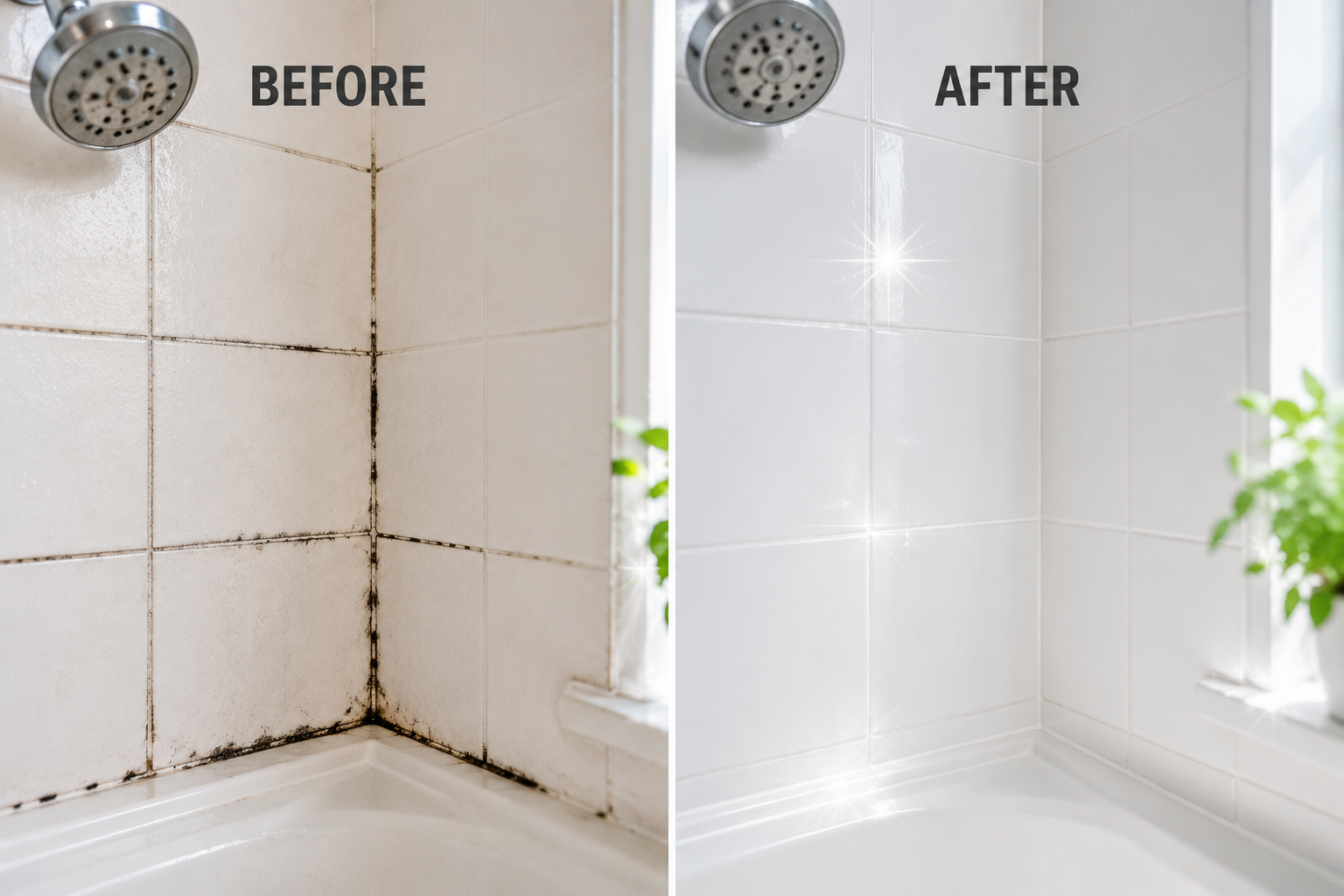
Featured Image: Black mold removal in shower – before and after cleaning with natural solutions
Finding black mold in your shower can be alarming, but you’re not alone. In the Home Scenes category, bathroom mold is one of the most common household issues. This guide provides safe, effective methods to identify, remove, and prevent black mold in your shower.
What Is Black Mold and Why Does It Grow in Showers?
According to the EPA, mold can begin growing within 24-48 hours of water exposure. Bathrooms are particularly vulnerable because they combine high humidity with limited ventilation.
Health Risks of Black Mold in Showers
While not all black mold is toxic, prolonged exposure can cause health issues, especially for sensitive individuals:
- Respiratory problems – Coughing, wheezing, and throat irritation
- Allergic reactions – Sneezing, runny nose, red eyes, and skin rash
- Asthma triggers – Mold spores can worsen asthma symptoms
- Headaches and fatigue – Prolonged exposure may cause general malaise
The CDC recommends removing mold promptly and addressing the moisture source to prevent regrowth.
How to Identify Black Mold in Your Shower
Black mold typically appears as:
- Dark black or greenish-black spots on grout lines, caulk, or tile surfaces
- Musty, earthy odor that persists even after cleaning
- Spreading pattern – Mold grows outward from the moisture source
- Slippery or slimy texture when touched (do not touch mold directly)
If the affected area is larger than 10 square feet, the EPA recommends hiring a professional mold remediation service.
Safe Methods to Remove Black Mold from Showers
Method 1: White Vinegar (Natural & Effective)
White distilled vinegar kills 82% of mold species and is safe for most surfaces.
- Pour undiluted white vinegar into a spray bottle
- Spray generously on mold-affected areas
- Let it sit for at least 1 hour (do not rinse)
- Scrub with a stiff brush
- Rinse with warm water and dry thoroughly
Method 2: Baking Soda Paste (For Stubborn Stains)
Baking soda is mildly abrasive and absorbs moisture, making it ideal for grout lines.
- Mix baking soda with a small amount of water to form a thick paste
- Apply the paste to mold-affected grout lines
- Let it sit for 10-15 minutes
- Scrub with a grout brush or old toothbrush
- Rinse thoroughly and dry
Method 3: Hydrogen Peroxide (For Tough Mold)
3% hydrogen peroxide is effective against mold and won’t produce harmful fumes like bleach.
- Pour 3% hydrogen peroxide into a spray bottle
- Spray on mold-affected areas
- Let it sit for 10 minutes
- Scrub and rinse thoroughly
What NOT to Use: Bleach
Despite popular belief, bleach is not recommended for mold removal on porous surfaces. The EPA states that bleach only kills surface mold while the roots remain embedded, often leading to worse regrowth. Bleach also produces harmful fumes when mixed with other cleaners.
Preventing Black Mold from Returning
Removal is only half the battle. Prevention is key to keeping your shower mold-free:
- Use an exhaust fan – Run it during and for 20-30 minutes after showering
- Wipe down surfaces – Use a squeegee or towel to remove excess water after each shower
- Fix leaks immediately – Even small drips create the moisture mold needs
- Improve ventilation – Open a window or use a dehumidifier to keep humidity below 50%
- Use mold-resistant caulk – Replace old caulk with mold-resistant silicone
- Clean weekly – Regular cleaning prevents mold spores from establishing colonies
Explore More Categories
Interested in other guides? Check out our content:
Frequently Asked Questions
Is all black mold toxic?
No. “Black mold” is a general term that includes many species. Only Stachybotrys chartarum produces mycotoxins, and even then, health effects depend on exposure level and individual sensitivity. Any mold in your home should be removed regardless of species.
Can I remove black mold myself?
Yes, for small areas (under 10 square feet). For larger infestations, or if mold is inside walls or HVAC systems, hire a professional. If you have respiratory conditions or a weakened immune system, avoid DIY mold removal.
How often should I clean my shower to prevent mold?
Wipe down shower surfaces after each use and do a deep clean weekly. This prevents mold spores from establishing colonies and keeps your bathroom fresh.
Final Thoughts
Black mold in showers is a common issue that can be effectively managed with the right approach. Focus on safe removal methods (vinegar, baking soda, hydrogen peroxide) and prioritize prevention through proper ventilation and regular cleaning. A mold-free shower is not just about aesthetics-it’s about protecting your health.
Want More Home Scenes Guides?
Explore our full Home Scenes collection for more evidence-based guides.