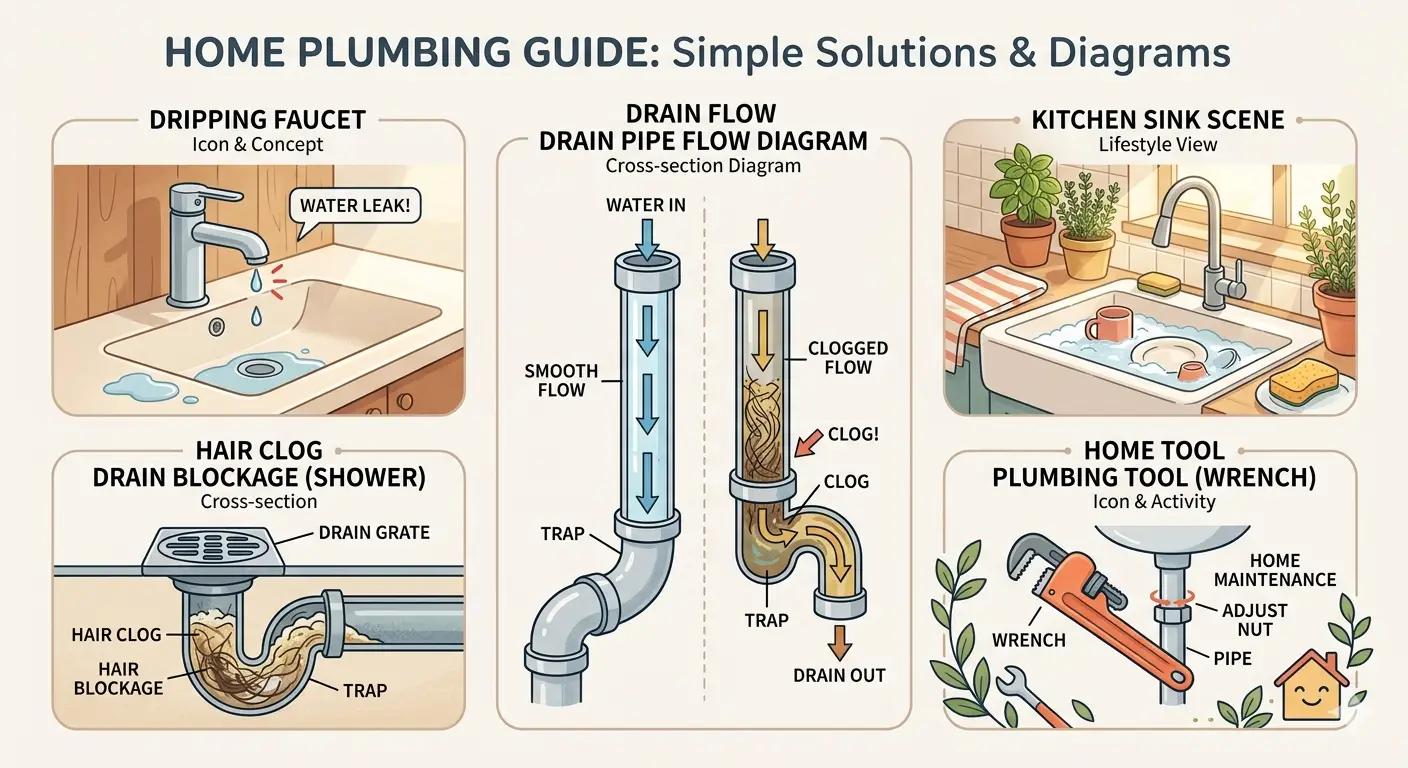
Plumbing leaks and clogs is an important topic that many people search for. In this comprehensive guide, we will explore everything you need to know about plumbing leaks and clogs, backed by expert insights and practical strategies.
Are You Noticing Little Drips and Slow Drains?
It’s easy to overlook a tiny drip or a sink that takes a little longer to empty. In our busy lives, small plumbing issues quietly creep into our routines. These subtle signs-the soft gurgle of a drain or a slight dampness-are gentle hints that attention is needed to maintain your home’s peace.
Why Plumbing Issues Happen in Everyday Homes
Hard water can slowly narrow pipes, reducing flow efficiency over years.
Food particles and grease accumulate in drains, forming clogs that grow quietly.
Hair and soap residue are the primary culprits for slow shower and sink drains.
Tiny leaks from old washers can go unnoticed for weeks, wasting gallons of water.
The Gentle Costs of Ignoring Issues
“While not urgent emergencies, these small inconveniences gradually chip away at the ease and calm of your living space.”
- Damage: Water stains and damp spots can quietly damage walls or cabinets.
- Annoyance: Slower drains make morning routines or meal prep feel cumbersome.
- Bills: Unnoticed leaks create subtle but unnecessary stress on your monthly budget.
Simple, Cozy Solutions
- Routine Drain Care: Use baking soda and warm water weekly to clear minor buildup.
- Mindful Habits: Keep grease and coffee grounds out of the kitchen sink.
- Regular Check-ins: A quick glance under the sink can catch moisture early.
- Mesh Screens: Use hair catchers in the bathroom to prevent blockages at the source.
- Pro Inspections: An annual check-up keeps your home flowing smoothly and prevents surprises.
Creating a Calm, Well-Maintained Home
By noticing small signs and taking soft, preventive steps, you can keep your home flowing smoothly. Let your living space remain a haven of comfort for your quiet mornings and cozy evenings.
Explore More Scenes
Related Articles
Understanding Common Plumbing Problems
Plumbing issues are among the most common and costly home maintenance problems. According to the Insurance Information Institute, water damage and freezing account for nearly 24% of all home insurance claims. The good news is that most plumbing problems are preventable with regular maintenance and early detection.
The True Cost of Ignoring Plumbing Issues
- Minor Leaks: A dripping faucet can waste 3,000+ gallons per year, adding -50 to your water bill
- Hidden Leaks: Can cause structural damage costing ,000-50,000+ in repairs
- Major Clogs: Professional drain cleaning costs -500; sewer line repairs can exceed ,000
- Water Damage: Mold remediation alone costs ,000-10,000 depending on severity
Advanced Leak Detection Techniques
Catching leaks early saves money and prevents damage. Here are professional-grade detection methods you can use at home:
1. Visual Inspection Checklist
Check these areas monthly for signs of leaks:
- Under Sinks: Look for water stains, mold, or musty odors
- Around Toilets: Check for water at the base, listen for running water
- Water Heater: Inspect connections and the pressure relief valve
- Appliances: Check washing machine, dishwasher, and refrigerator ice maker hoses
- Basement/Crawlspace: Look for efflorescence (white mineral deposits) on walls
2. Water Meter Test for Hidden Leaks
This simple test detects leaks you can’t see:
- Turn off all water sources in your home
- Record your water meter reading
- Wait 2 hours without using any water
- Check the meter again鈥攊f it changed, you have a hidden leak
3. Food Coloring Test for Toilet Leaks
Toilet flapper leaks are extremely common and waste hundreds of gallons:
- Add 10-15 drops of food coloring to the toilet tank
- Wait 30 minutes without flushing
- If color appears in the bowl, the flapper is leaking and needs replacement
Professional-Grade Clog Prevention
Kitchen Drain Maintenance
Kitchen drains face grease, food particles, and soap scum. Prevent clogs with these practices:
- Never Pour Grease: Collect grease in a container and dispose in trash
- Use Drain Strainers: Catch food particles before they enter pipes
- Monthly Hot Water Flush: Pour boiling water down the drain to dissolve buildup
- Baking Soda + Vinegar: Monthly treatment: 1/2 cup baking soda, 1/2 cup vinegar, wait 30 minutes, flush with hot water
- Enzyme Cleaners: Monthly use of bio-enzymatic drain cleaners breaks down organic matter
Bathroom Drain Care
Hair and soap scum are the primary culprits in bathroom drains:
- Drain Covers: Install hair catchers in all showers and tubs
- Regular Cleaning: Remove and clean drain covers weekly
- Snake Monthly: Use a drain snake monthly to remove accumulated hair
- Avoid Chemical Cleaners: They damage pipes over time; use mechanical methods instead
Main Sewer Line Protection
Main line clogs are expensive and disruptive. Protect your sewer line:
- Tree Root Management: Keep trees at least 10 feet from sewer lines
- Professional Inspection: Camera inspection every 2-3 years for older homes
- Avoid Flushing: Never flush wipes (even “flushable” ones), feminine products, or paper towels
- Root Killer: Annual application of copper sulfate or foaming root killer
Essential Plumbing Tools Every Homeowner Should Have
Being prepared saves time and money on minor issues:
Basic Toolkit
- Plunger: Both cup plunger (toilets) and flange plunger (sinks/tubs)
- Drain Snake: 25-foot hand-crank snake for most household clogs
- Adjustable Wrench: For tightening connections
- Pipe Wrench: Two needed (one to hold, one to turn)
- Plumber’s Tape: Teflon tape for sealing threaded connections
- Bucket and Towels: For catching water during repairs
Advanced Tools (Optional)
- Drain Auger: Motorized snake for tough clogs (-150)
- Inspection Camera: Borescope for viewing inside pipes (-100)
- Water Pressure Gauge: Test pressure at hose bibs (ideal: 40-60 PSI)
- Leak Detector: Electronic device that beeps near moisture (-50)
When to Call a Professional Plumber
While many issues are DIY-friendly, some require professional expertise:
Call Immediately For:
- Burst pipes or major flooding
- Sewer backup or sewage smell
- No water pressure throughout the house
- Water heater leaking or not functioning
- Gas line issues (evacuate and call gas company first)
Schedule Professional Service For:
- Recurring clogs (indicates deeper problem)
- Low water pressure in specific fixtures
- Water discoloration (rust or sediment)
- Running toilets that persist after flapper replacement
- Annual inspection and maintenance
Preventive Maintenance Schedule
Follow this schedule to keep your plumbing in top condition:
Monthly Tasks
- Check under sinks for leaks
- Test toilet flappers with food coloring
- Clean drain strainers
- Run garbage disposal with ice cubes and citrus peels
Quarterly Tasks
- Flush water heater (drain sediment)
- Test sump pump (if applicable)
- Inspect washing machine hoses
- Clean showerheads (soak in vinegar)
Annual Tasks
- Professional drain cleaning
- Water heater inspection
- Sewer line camera inspection (every 2-3 years)
- Check water pressure
- Insulate exposed pipes before winter
Emergency Plumbing Kit
Keep these items accessible for plumbing emergencies:
- Main water shut-off valve location marked and accessible
- Individual shut-off valves under sinks and toilets tested annually
- Plumber’s contact information saved in phone
- Basic tools (plunger, wrench, bucket, towels)
- Water shut-off key for curb valve (if applicable)
Remember, the best plumbing repair is prevention. Regular maintenance costs a fraction of emergency repairs and protects your home from costly water damage. Invest time in understanding your plumbing system鈥攊t will pay dividends for years to come.